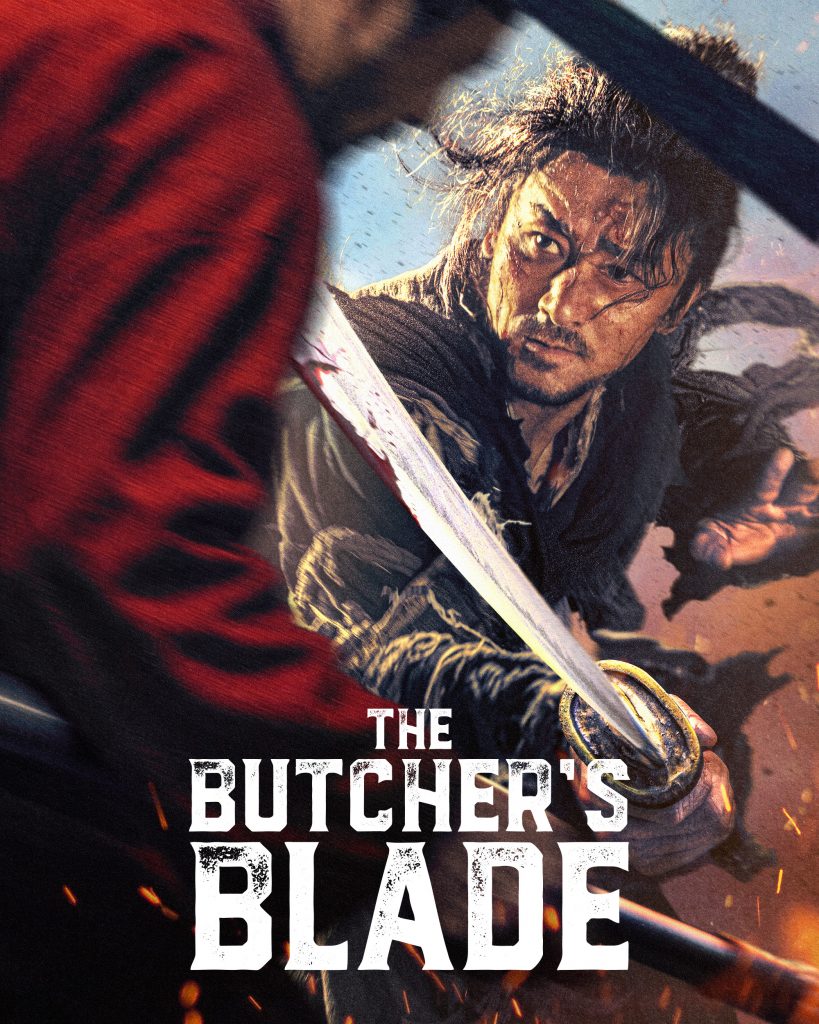
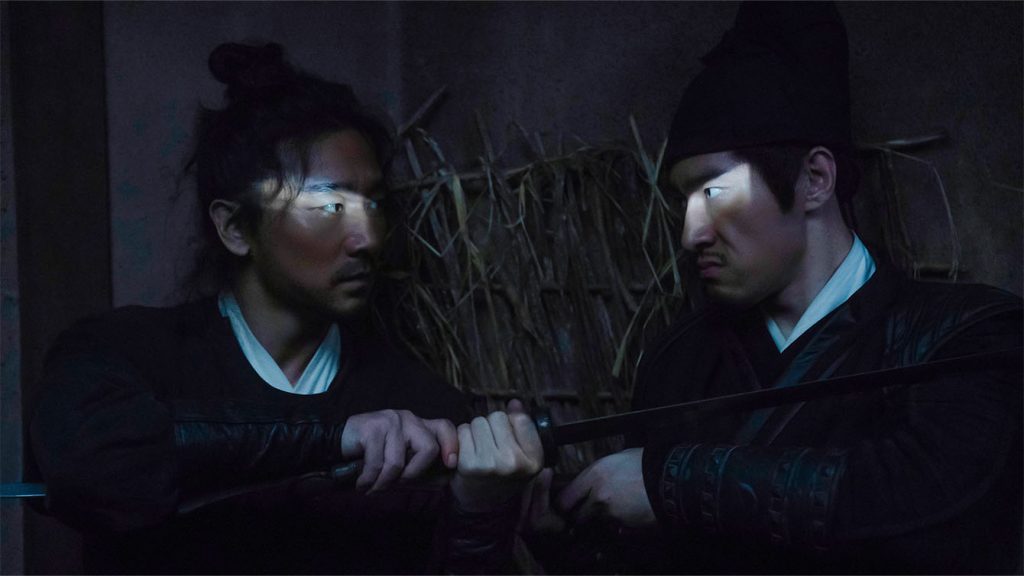
Where The Butcher’s Blade truly shines is in its martial arts choreography and stylistic devotion to wuxia traditions. Swordplay is fluid, expressive, and often poetic, embracing the genre’s emphasis on movement, balance, and rhythm. Combat scenes are staged to showcase full techniques rather than quick‑cut chaos, allowing performers to demonstrate precision, footwork, and control.
The film balances grounded hand‑to‑hand combat with more elevated wuxia flourishes gliding leaps, airborne clashes, and symbolic use of space without tipping into excess. Each fight serves character and narrative, reinforcing emotional stakes rather than existing purely for spectacle. The blade itself becomes an extension of the protagonist’s inner conflict, its movements shifting from restrained efficiency to unleashed fury as the story progresses.
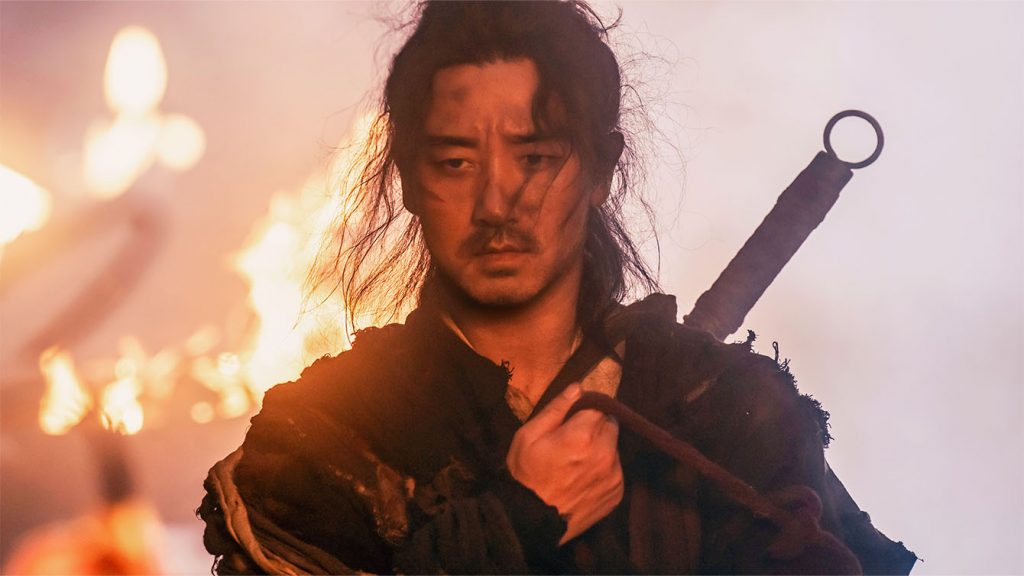
Visually, the film leans into painterly compositions mist covered forests, candlelit interiors, and weather‑beaten villages that echo classic Chinese martial arts cinema. The camera respects distance and geography, giving fans a clear view of technique, while the sound design highlights steel‑on‑steel clashes with satisfying weight.

HyjLtdkXBCNioCenCar