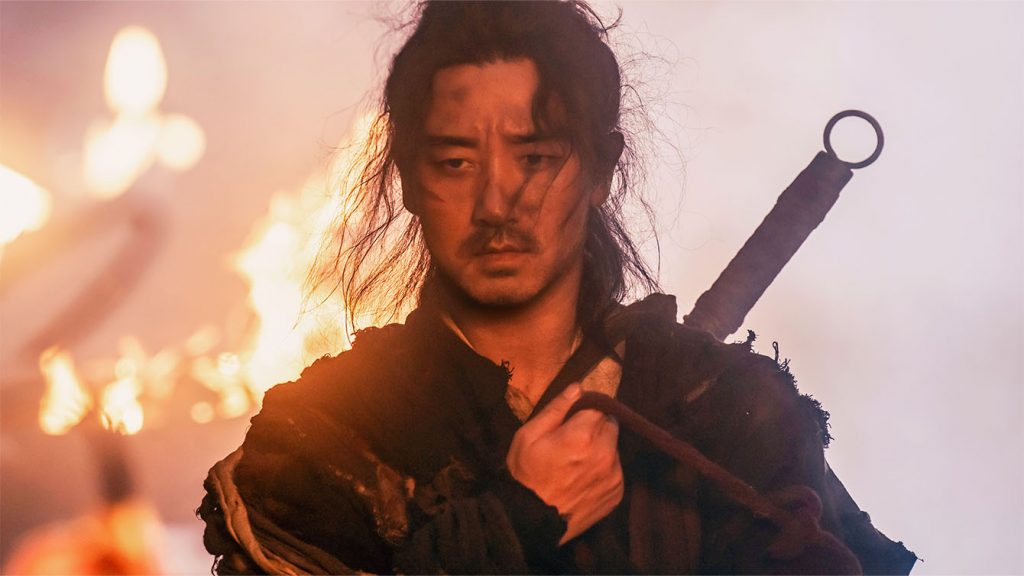
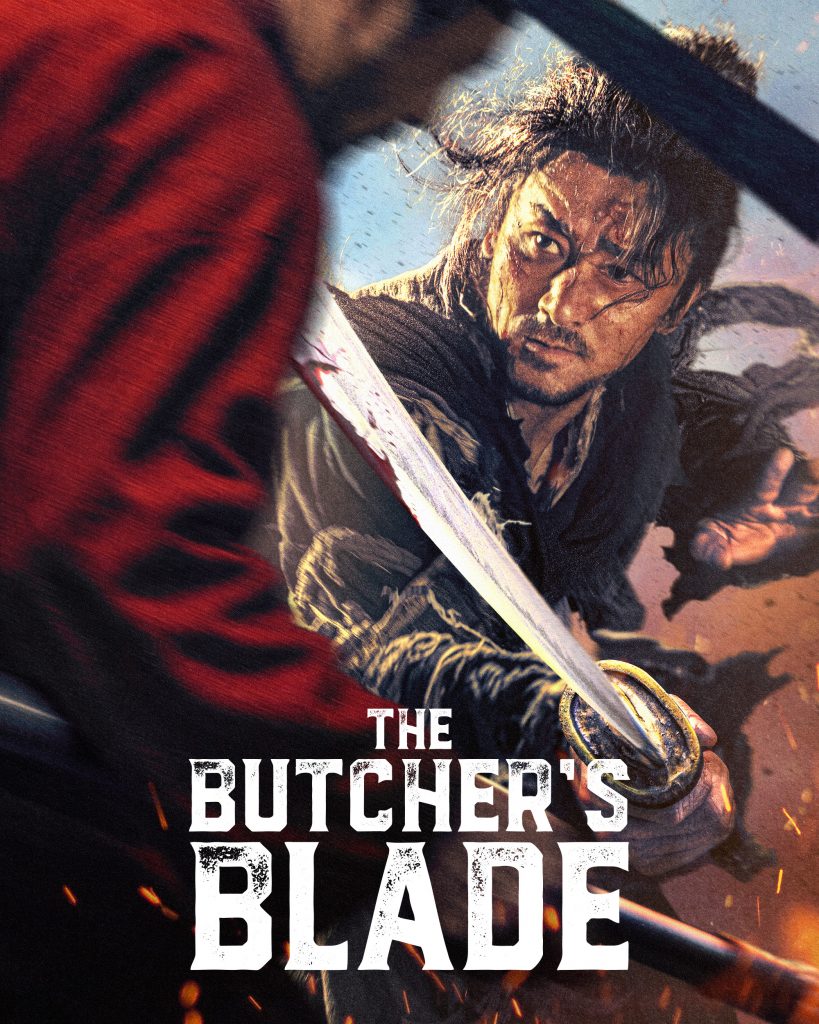
Well Go USA’s The Butcher’s Blade is a blood‑flecked, beautifully staged wuxia‑inflected martial arts film that delivers exactly what fans of Eastern action cinema crave: honour, vengeance, and exquisitely choreographed combat. Rooted in classical themes but executed with modern intensity, the film stands as one of the most satisfying martial arts releases of 2026.

Set during a turbulent period of political corruption and rival clans, The Butcher’s Blade follows a former executioner who has turned his back on violence after witnessing the moral decay of those in power. His attempt at a quiet life is shattered when his family is slaughtered and his past catches up with him. Forced to reclaim his infamous blade, he is drawn back into a brutal world of assassins, martial sects, and shifting alliances, where survival depends as much on skill as on moral resolve.

As the body count rises and secrets are revealed, the film becomes a meditation on justice versus revenge, with the protagonist walking a fine line between righteous fury and becoming the very monster he once served.

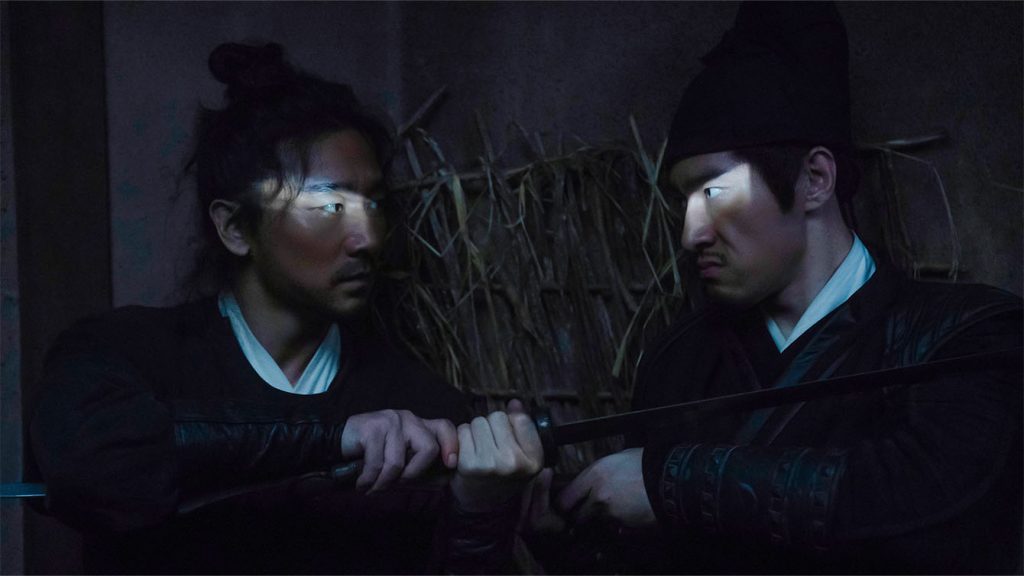
Where The Butcher’s Blade truly shines is in its martial arts choreography and stylistic devotion to wuxia traditions. Swordplay is fluid, expressive, and often poetic, embracing the genre’s emphasis on movement, balance, and rhythm. Combat scenes are staged to showcase full techniques rather than quick‑cut chaos, allowing performers to demonstrate precision, footwork, and control.

The film balances grounded hand‑to‑hand combat with more elevated wuxia flourishes gliding leaps, airborne clashes, and symbolic use of space without tipping into excess. Each fight serves character and narrative, reinforcing emotional stakes rather than existing purely for spectacle. The blade itself becomes an extension of the protagonist’s inner conflict, its movements shifting from restrained efficiency to unleashed fury as the story progresses.

Visually, the film leans into painterly compositions mist covered forests, candlelit interiors, and weather‑beaten villages that echo classic Chinese martial arts cinema. The camera respects distance and geography, giving fans a clear view of technique, while the sound design highlights steel‑on‑steel clashes with satisfying weight.
The Butcher’s Blade succeeds because it understands its audience. It respects wuxia heritage while delivering modern pacing, strong performances, and visceral action. Well Go USA continues its strong tradition of championing Asian action cinema, and this release feels carefully curated rather than disposable.

For fans of martial arts films that value craft, choreography, and thematic depth, this is essential viewing. It’s a reminder that wuxia is not just about flying swords, but about philosophy, consequence, and the cost of violence. Stylish, brutal, and unexpectedly emotional, The Butcher’s Blade comes highly recommended for any Eastern cinema enthusiast looking for substance alongside steel.

The Butcher's Blade
4/5

Leave a Reply

Your email address will not be published. Required fields are marked *