
There is something about Japanese horror that still manages to get under your skin in a way that many modern horror films struggle to achieve. Whether it’s the unsettling atmosphere, strange supernatural encounters or the feeling that something truly horrible is lurking just out of sight, J-horror has a special way of building tension. Never After Dark taps into that tradition, delivering a creepy supernatural mystery that takes its time building towards some seriously unsettling moments.
Written and directed by Dave Boyle, the film brings together a strong Japanese cast, led by Moeka Hoshi, for a ghost story that combines familiar elements of traditional Japanese horror with some interesting ideas of its own. Rather than relying on endless jump scares, Boyle takes a more measured approach, allowing the atmosphere and characters to draw you into its increasingly disturbing world.
The Story
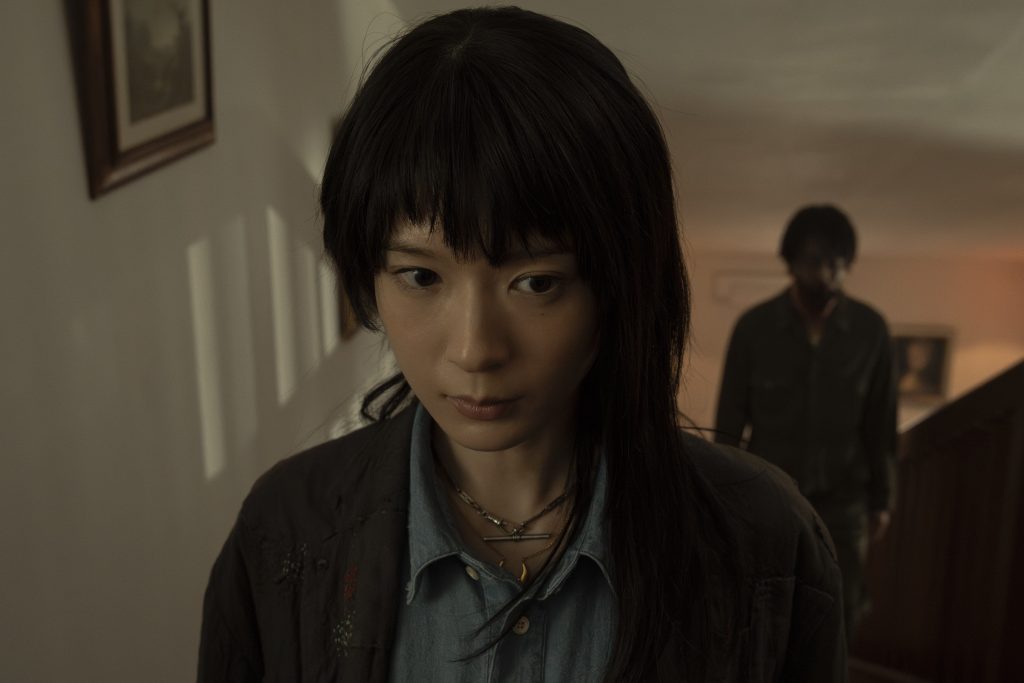
The film follows Airi (Moeka Hoshi), a travelling medium who makes her living helping restless spirits move on from the world of the living. Accompanied by the spirit of her younger sister Miku (Kurumi Inagaki), Airi travels around dealing with supernatural disturbances, treating much of her work as just another day at the office.
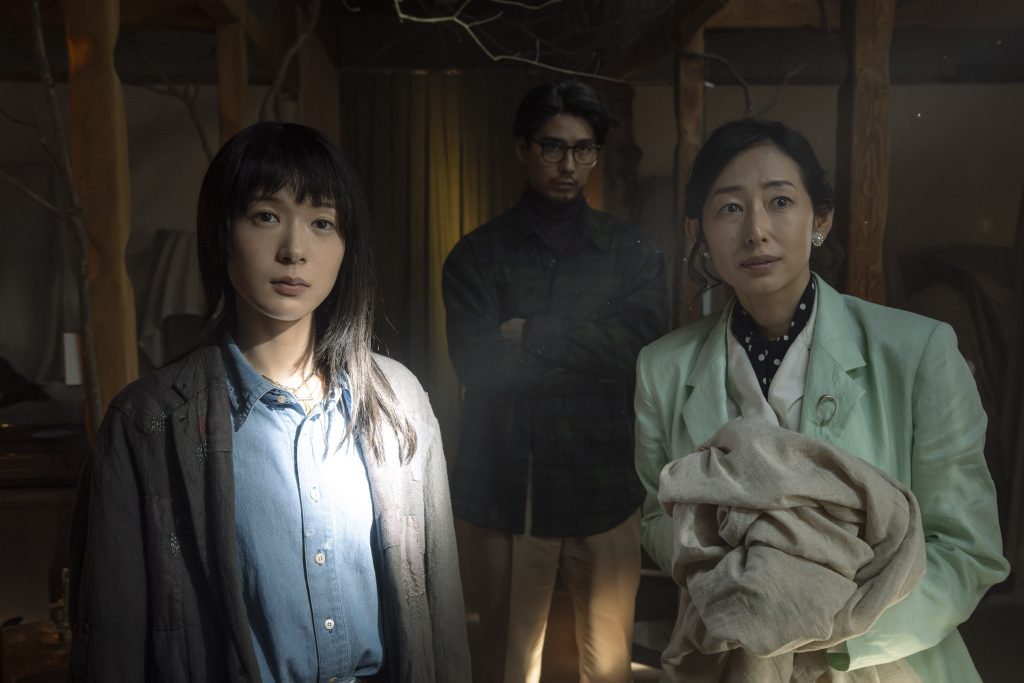
Her latest assignment takes her to an isolated country house, where the owner, Teiko (Tae Kimura), has been experiencing strange and frightening occurrences. Her son Gunji (Kento Kaku) is far less convinced about the supernatural explanation and is naturally suspicious of Airi’s abilities.
However, this particular job proves to be anything but routine. The presence haunting the property is far more dangerous than Airi initially realises, and as she begins investigating the history of the house, she uncovers something much darker than a straightforward haunting. Before long, Airi finds herself facing a threat that challenges everything she understands about the spirit world.
The Performances
Moeka Hoshi is excellent as Airi and gives the film a strong central character to build around. She’s an interesting lead, someone who comes across as confident and capable when dealing with the supernatural, but whose personal feelings and past are not quite as straightforward. Hoshi manages to bring plenty of personality to the role, making Airi someone you want to spend time with even when she’s making decisions that might not be the wisest.
Kurumi Inagaki is another important part of the film as Miku. Her relationship with Airi adds an emotional layer to the story, and the dynamic between the two sisters gives the film more to work with than simply another ghost-hunting adventure. There’s a fascinating quality to their relationship that gradually becomes more important as the story unfolds.
Kento Kaku provides a good contrast as Gunji. Initially sceptical of Airi and her work, he offers a more grounded perspective on the strange events taking place at the house. His character helps establish some tension between the living characters, while also giving the film another relationship to develop alongside its supernatural mystery.
The supporting performances also help bring the story together, particularly Tae Kimura as Teiko and Mutsuo Yoshioka as the mysterious presence at the centre of the haunting.
Direction and Atmosphere
One of the biggest strengths of Never After Dark is the atmosphere Dave Boyle creates. He clearly understands that a good ghost story doesn’t need to show you everything. Sometimes it’s what you don’t see that makes a scene so unsettling, and the film makes excellent use of shadows, reflections and the isolated setting to keep you guessing.
I particularly enjoyed the way Boyle establishes the rules surrounding Airi’s work as a medium. Her rituals involving candles and mirrors give the film an interesting supernatural identity, while the presence of Miku adds another dimension to the way Airi interacts with the world around her.
The film also has a wonderfully old-school feel to it. There are moments that bring to mind the Japanese horror films that helped establish the genre internationally, but Boyle isn’t simply trying to recreate something we’ve seen before. He takes familiar ingredients and uses them to develop a story with its own mythology and surprises.
The pacing is deliberately slow at times, allowing the mystery to develop and the tension to build. Some viewers might find that approach a little patient, but I enjoyed the way the film gradually increases the sense of unease before delivering some considerably more intense moments.
When the horror does arrive, it can be genuinely nasty, with some memorable supernatural imagery and unsettling practical effects. The use of reflections and physical effects is particularly effective, giving the film a tangible quality that works far better than relying entirely on digital trickery.
Final Thoughts
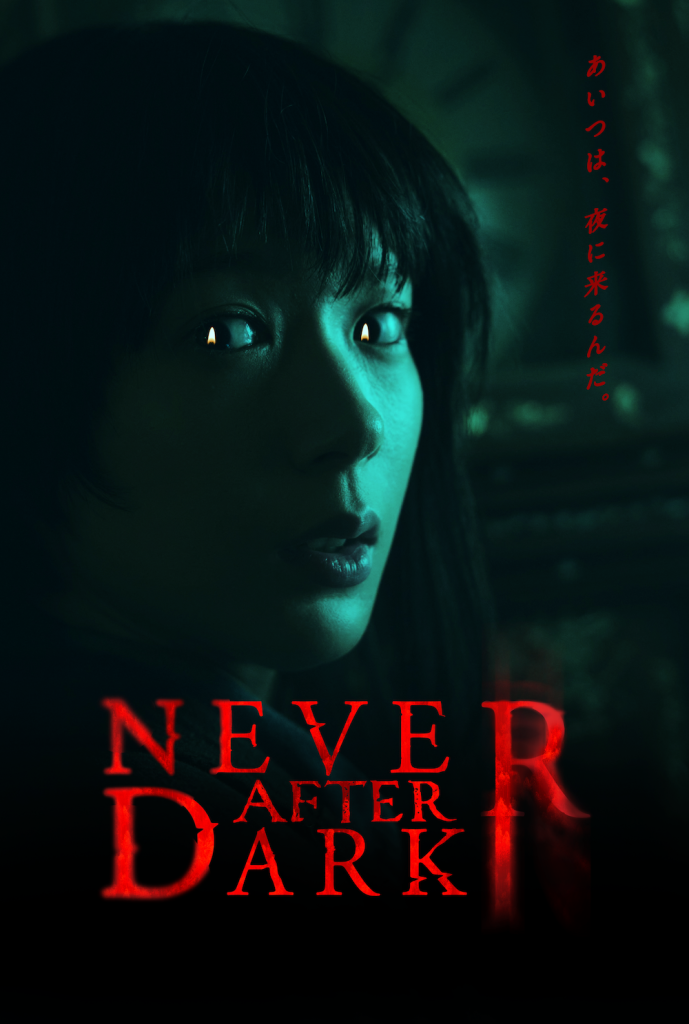
Never After Dark is a welcome addition to the supernatural horror genre and a film that understands the importance of atmosphere, character and a good old-fashioned ghost story.
Dave Boyle delivers an engaging Japanese-language horror film that respects the traditions of J-horror while bringing enough fresh ideas to keep things interesting. Moeka Hoshi is a real highlight, with a performance that gives the film its personality, while Kurumi Inagaki and Kento Kaku provide strong support.
It might take its time getting where it wants to go, but the gradual build-up, creepy imagery and increasingly disturbing supernatural encounters make the journey worthwhile. Horror fans looking for something with a little more substance than the usual collection of jump scares should certainly give this one a look.
Never After Dark is a creepy, atmospheric ghost story that delivers the goods when it matters. Definitely one worth checking out.
On DIGITAL from 2nd Novmeber 2026
Rating: ★★★★☆ – 4/5
