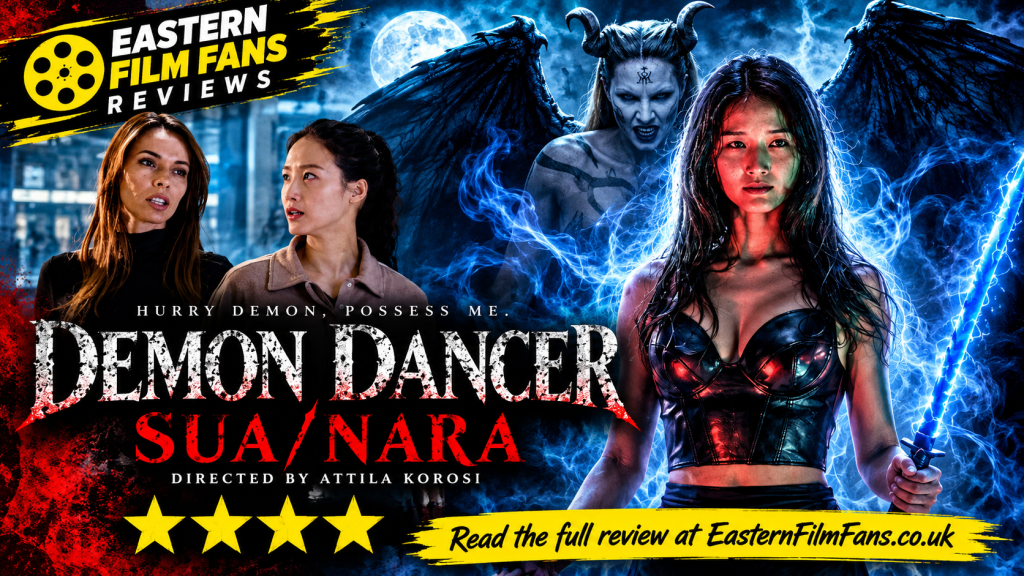
There is something refreshing about a filmmaker who wants to push the boundaries of independent action cinema, and with Demon Dancer, Attila Korosi delivers a supernatural action-fantasy that is certainly not afraid to try something different. Previously released as Sua/Nara, the film returns in an extended cut for its North American release, offering viewers more of its distinctive blend of martial arts, ballet-inspired choreography and demonic fantasy.
I enjoyed the original film for its visual style and willingness to experiment with action, and this new version gives fans another reason to step back into its strange and violent world. The biggest talking point is an added first-person corridor fight that puts you right in the middle of the carnage. For action fans, that sequence alone is worth talking about!
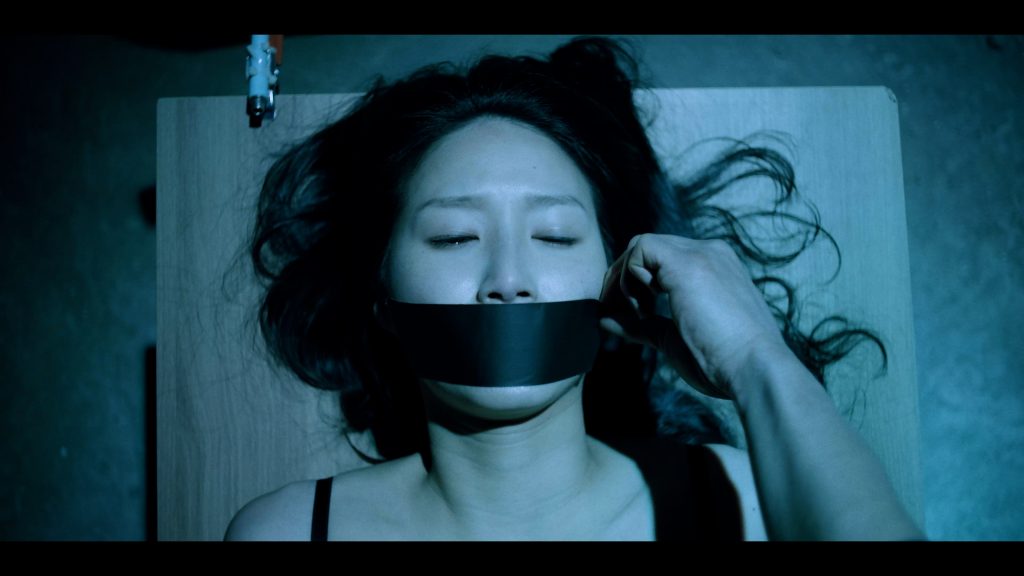
At the centre of the story is Sua (Han Jiyeon), a Korean ballerina whose life is shattered by tragedy when her husband, Jack (Joseph Kim), falls victim to a demonic curse. Faced with an unbearable choice, Sua is forced to kill him, leaving her consumed by grief and determined to discover who was responsible.
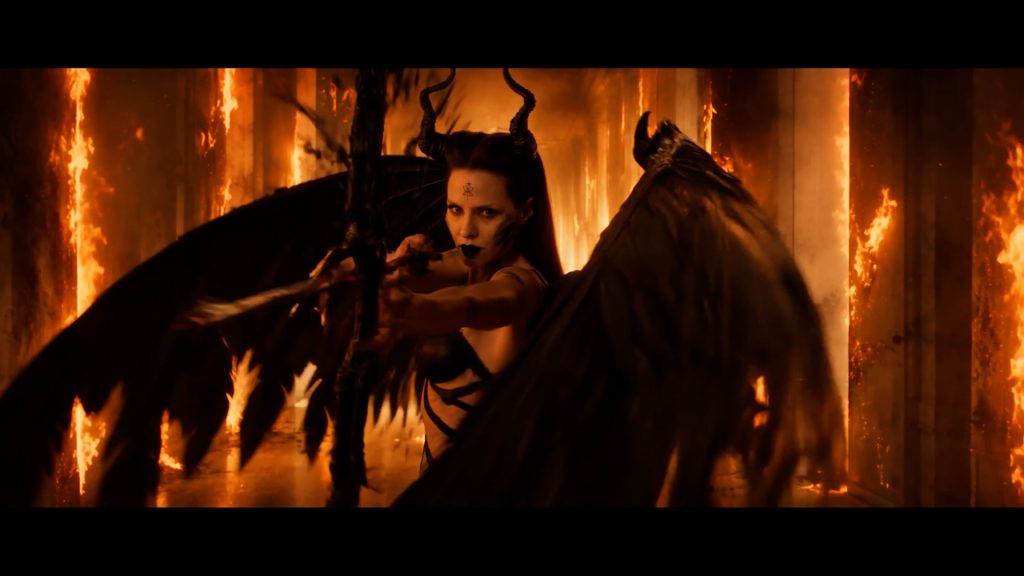
Her search for answers leads her into a terrifying supernatural world where demons can inhabit human bodies, corrupting their hosts and unleashing devastating powers. Seeking justice, Sua embraces the curse herself and becomes connected to Nara (Anita Korosi), a powerful demon whose abilities transform Sua into a formidable demon hunter.
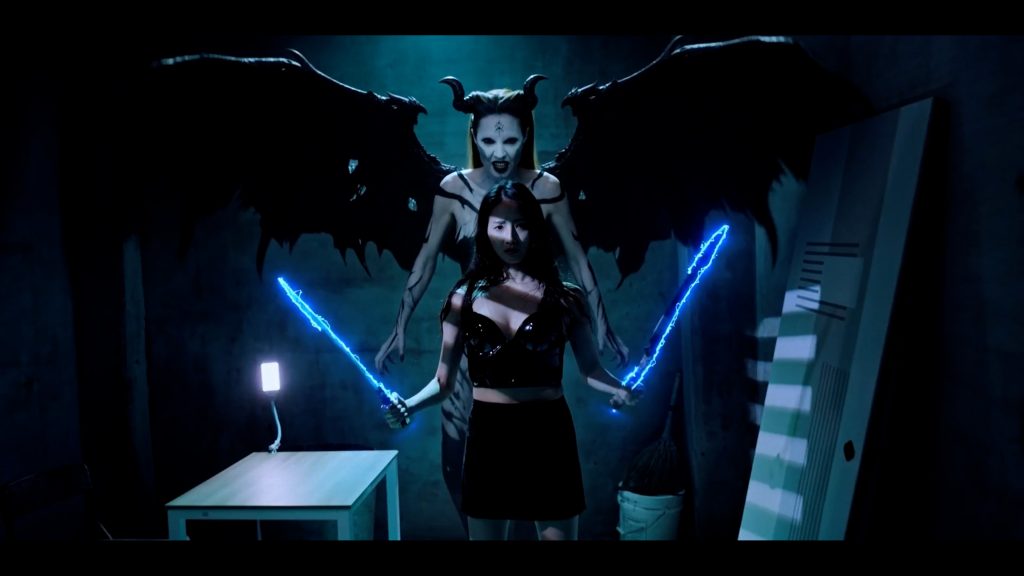
The two become an unusual partnership, combining Sua’s grace, discipline and instincts as a dancer with Nara’s supernatural strength. Together, they set out to uncover the truth behind Jack’s death, taking on increasingly dangerous enemies along the way.
It is an interesting premise, particularly because the film doesn’t simply treat ballet as something to look pretty on screen. Instead, movement becomes an integral part of the fighting style, giving Sua a distinctive physical language that separates her from the usual action heroine.
What Has Changed in the Extended Cut?
The move from Sua/Nara to Demon Dancer is more than just a change of title for the North American release. The extended cut builds on the original film, adding material that helps develop its story and gives audiences more time with the relationship between Sua and Nara.
The earlier version already had plenty of ambition, introducing a world of demonic possession, supernatural abilities and stylised action. However, there is more to explore in this setting, and the extended version makes a greater effort to flesh out the mythology and the connection between its two central characters.
The additional material gives the story more room to breathe, helping to establish the relationship between the human and demonic sides of the partnership. It also strengthens the sense that Sua’s journey is about more than revenge: she must learn to live with the darkness she has chosen to embrace.
For returning viewers, these additions make the film an interesting revisit, while newcomers get a fuller experience of Korosi’s vision.
The New POV Corridor Fight – An Absolute Highlight!
If there is one addition that action fans should be looking forward to, it is the new first-person corridor fight.
The sequence puts the audience directly into the action as Sua and Nara battle their way through a corridor filled with enemies. Rather than watching everything from a conventional camera angle, we experience the fight from a first-person perspective, creating a much more immediate and immersive feel.
It is a bold choice, and one that suits the film’s video-game and anime influences. The combination of close-quarters combat, supernatural abilities and the movement inspired by Sua’s ballet background makes for a sequence that feels different from the usual run of independent action films.
There is a real sense of being thrown into the middle of the fight, and that is precisely what makes it so much fun. The POV approach gives the choreography a different rhythm, allowing the audience to experience the impacts, movements and progression of the battle in a more direct way.
Fans will literally get a kick out of this addition! It is the sort of sequence that gives the extended cut its own identity and demonstrates Korosi’s willingness to experiment with how action can be presented.
The original film already had an ambitious approach to its fight scenes, but this addition is a welcome bonus for anyone who enjoys inventive martial arts filmmaking.
Action, Choreography and Visual Style
One of the biggest strengths of Demon Dancer remains its approach to action. Choreographed by Gui-Duck Kwon, whose credits include The Villainess and The Wailing, the fights mix martial arts with the grace and fluidity of ballet.
Han Jiyeon’s background as a ballerina is particularly important here. Her movements have a lightness and precision that make the character’s fighting style distinctive, with spins, kicks and leaps becoming part of the combat rather than simply decorative flourishes.
The film also features an impressive set-piece staged inside a descending car elevator, a location that creates its own challenges for the performers and stunt team. The confined space and moving structure add tension to the action, while the choreography has to work around the environment rather than relying on an open space.
It remains one of the film’s most memorable sequences and a real example of the ambition behind the production.
Visually, Korosi embraces a heightened fantasy aesthetic. Neon lighting, striking silhouettes and supernatural effects give the film a stylised appearance that draws on anime and video-game influences. The demonic imagery and energy-based weapons help establish a world that is deliberately removed from everyday reality.
Naturally, the independent production budget means that not every visual effect reaches the level of a major studio release. Some elements are rough around the edges, but there is a clear sense of creative ambition behind what is on screen.
For me, the important thing is that the film tries to establish its own identity rather than simply copying the conventions of other action films.
Performances and Characters
Han Jiyeon carries much of the film as Sua, bringing the physical skills required for the demanding action sequences. Her ballet background gives the character a natural elegance, while the story asks her to convey grief, anger and a growing determination to confront the forces responsible for her husband’s death.
Anita Korosi makes an impression as Nara, whose demonic appearance and supernatural abilities provide a striking contrast to Sua’s more human presence. The relationship between the two is central to the film’s appeal, particularly as the extended cut gives their connection additional room to develop.
Joseph Kim’s Jack is important to the emotional foundation of the story. His fate provides the motivation for Sua’s transformation, ensuring that her journey into the supernatural world has a personal cost behind it.
Shinyoung Moon also contributes as Harmony, a mentor figure who helps Sua understand the curse and the dangerous world she is entering.
The film’s strongest asset is the way it connects its characters to the action. Sua isn’t simply a fighter with supernatural powers; her movements and abilities reflect the person she was before tragedy changed her life.
Final Thoughts
Demon Dancer remains an ambitious piece of independent action-fantasy filmmaking. It combines martial arts, ballet, supernatural horror and anime-inspired visuals into a distinctive package, with Gui-Duck Kwon’s choreography and Han Jiyeon’s physical performance helping the action stand out.
The extended cut gives the story and the relationship between Sua and Nara more room to develop, while the new first-person corridor fight is a particularly welcome addition. It is an inventive sequence that puts the viewer right in the thick of the action and gives returning fans something fresh to enjoy.
The film isn’t without its rough edges. Some of the effects and elements of the production reflect its independent budget, and the storytelling can occasionally become complicated as the supernatural mythology unfolds. Nevertheless, there is plenty here for fans willing to embrace its unusual approach.
For me, Demon Dancer succeeds because it has a clear identity. It wants to combine the beauty of dance with the brutality of martial arts and the imaginative possibilities of supernatural fantasy, and it often delivers some genuinely entertaining moments along the way.
If you have already watched Sua/Nara, the extended cut offers a good reason to return, especially for that added POV corridor fight. If you are discovering the film for the first time, there is a lot to appreciate in its combination of creative choreography, demonic fantasy and independent filmmaking ambition.
Official website:
https://demondancer.com/
Eastern Film Fans Rating: ★★★★☆ (4/5)
